The work
Pretty things that happen
Pretty things that happen
to be dead.
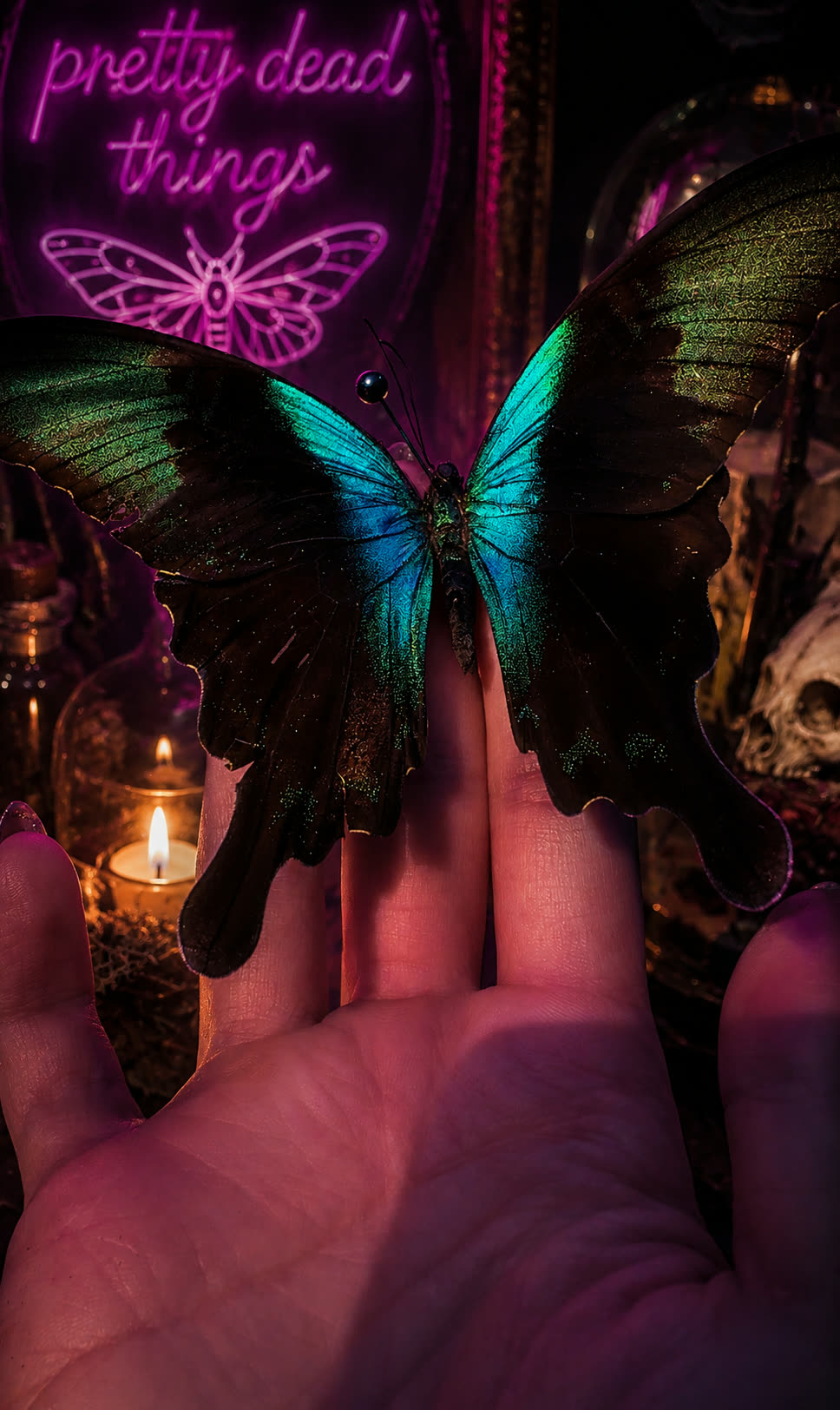
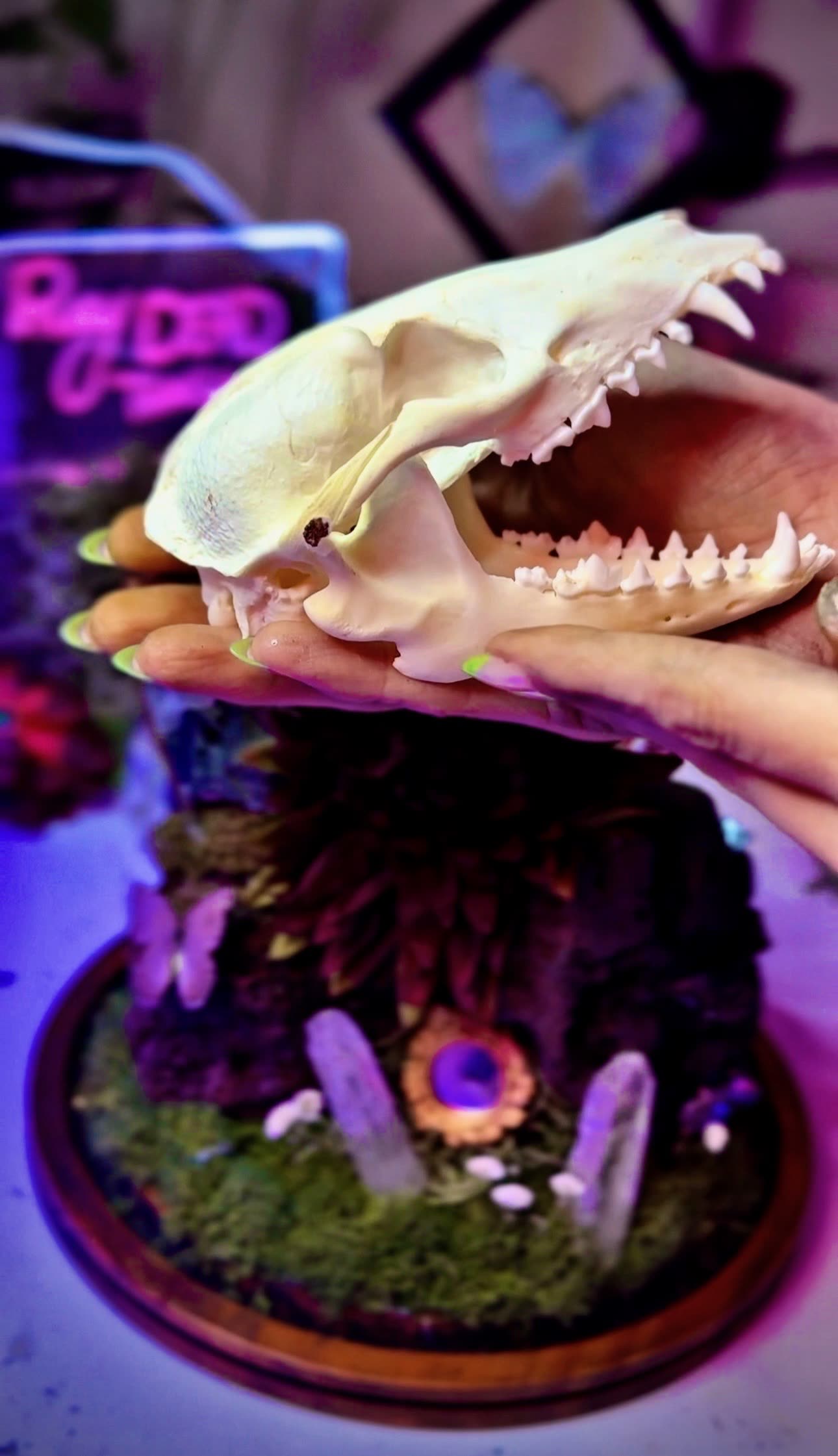
The complete butterfly pinning and insect preservation curriculum for beginners. Ten lessons — from sourcing your first specimen all the way through displaying the finished piece.
New lessons drop regularly. Subscribe to the email list so you never miss one.
Get lesson updates free →Learn where to source butterflies, moths, and beetles ethically — trusted farms, what to avoid, and how to verify a seller is legit. Subscribe for the full lesson →
Proper storage keeps your specimens pinnable for years. Wrong storage ruins them in weeks. Here's exactly how to do it right. Subscribe for the full lesson →
A relaxing chamber rehydrates a dried specimen so it can be spread without cracking. Here's how to build one at home with things you already have. Subscribe for the full lesson →
The first pin goes through the thorax — not the abdomen, not the head. Here's exactly where, at what angle, and how to hold the specimen so you don't damage it before you've even started. Watch before you pin anything.
Butterflies and moths have four wings — two forewings and two hindwings. The forewings get positioned first because they set the shape everything else follows. Here's exactly how to move them without ripping, what the paper strips are actually doing, and why you need to complete the full spread in one session once you start.
Coming soon. Subscribe to get notified →
Coming soon. Subscribe to get notified →
Coming soon. Subscribe to get notified →
Coming soon. Subscribe to get notified →
You don't need to be an expert. You just need to start. Here's the sequence.
Find PDT through a question you already had — butterfly myths, common mistakes, or a bug you found outside. That's where most people start.
Work through the Beginner Series in order. Each lesson builds on the last. No jumping ahead — the sequence matters.
Pin your first specimen. Break a wing. Fix it. Ask questions in the comments. This is where the skill actually develops.
Display your finished piece. You've preserved something whose journey deserved to be witnessed. That's the whole point.
Where to find good specimens as a beginner. Trusted suppliers, what to look for, red flags, and how to build a collection the right way. Free — because it should be.
Free. No spam. Unsubscribe any time.
Pin your first butterfly or moth, post it, and tag @prettydeadthings_studio. No experience required. No perfect spread required. Just your first one — exactly as it came out.
Follow the free curriculum. Grab a Blue Morpho or any beginner species. Pin it. Doesn’t have to be perfect — it just has to be yours.
Photo or video. Show the spread, the board, the whole setup. The messy ones are the best ones.
Tag @prettydeadthings_studio on Instagram or @prettydeadthingsstudio on TikTok. We feature every single one.
Real beginners. Real first spreads. Tagged @prettydeadthings_studio — and featured here.
Tag your first pin @prettydeadthings_studio — featured submissions coming soon.
Follow on Instagram →